The Definitive Guide to iPhone Repair: Professional Fixes and Choosing the Right Service
The experience of iPhone repair can be overwhelming for many users. With challenges ranging from app crashes to battery drain, understanding how to tackle these issues is crucial. Choosing the appropriate repair service introduces additional complexity. Grasping the distinctions between DIY fixes and expert support can considerably affect outcomes. As users navigate these choices, several key factors will influence their decisions and potentially save them time and money.
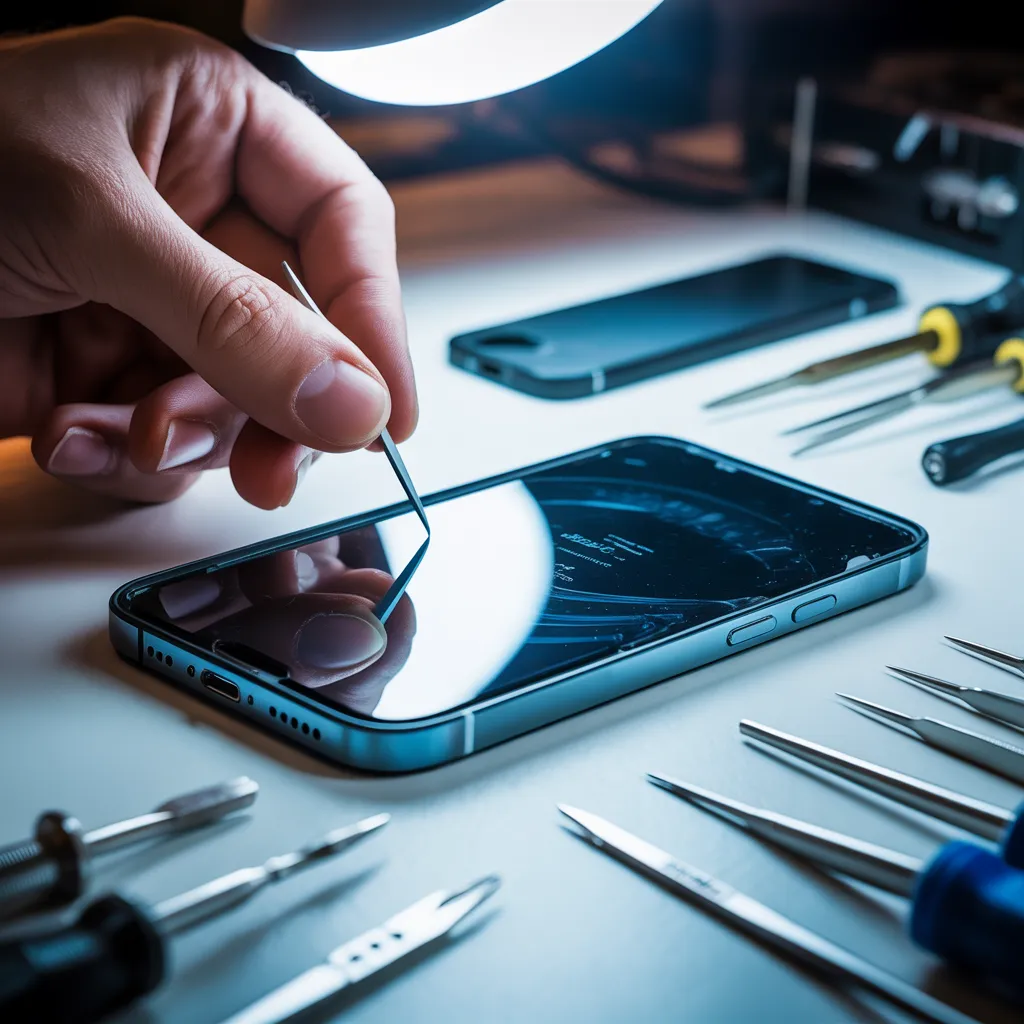
Understanding Common iPhone Issues: Signs You Shouldn't Dismiss
Identifying common iPhone problems requires vigilance and awareness of various symptoms that may indicate underlying issues. People need to stay alert to symptoms including persistent app shutdowns, which could indicate software incompatibilities or limited storage capacity. A quickly depleting battery may indicate a deteriorating battery or overwhelming background processes. Moreover, should the handset heat up significantly during everyday usage, it could result from hardware failures or inefficiently developed applications.
Physical signs, such as a cracked screen or unresponsive buttons, require prompt attention to prevent further damage. Network issues, including Wi-Fi or Bluetooth disruptions, often indicate network settings that need resetting or hardware defects. Additionally, odd noises while on calls or operating the speaker may point to speaker-related defects. By recognizing these symptoms early, customers can evaluate their repair alternatives wisely, potentially saving time and money in the long run.
How to Pick the Ideal Repair Service for Your iPhone
When searching for the top repair service for an iPhone, users should consider a few important factors to secure a satisfactory experience. First, reputation plays a vital role; reading online reviews and testimonials can offer valuable information about the reliability and quality of service. Additionally, it's important to check the expertise of the repair technicians, confirming they are qualified and skilled in handling iPhone repairs.
Additionally, inquire about guarantees on repair work to safeguard against future issues. The presence of original parts is a further essential aspect; utilizing genuine parts can enhance the longevity of the unit. Pricing transparency is essential, as concealed costs can lead to frustration. In addition, convenience factors like proximity and repair duration should also be evaluated. Through thorough evaluation of these factors, users can make an informed decision and identify a repair solution that meets their needs effectively.
When to Attempt DIY iPhone Repairs and When to Seek Help
Determining whether to attempt a DIY iPhone repair or seek professional help necessitates a thorough assessment of various considerations. Examining the degree of the damage and the difficulty of the repair can assist in navigating the decision-making process. Additionally, the availability of the necessary tools plays a vital role in ensuring a successful outcome.
Assessing Damage Severity
How can one distinguish between minor problems that can be resolved through DIY repairs and significant damage that needs professional help? Typically, symptoms such as cracked screens, battery issues, or software glitches typically suggest problems that can be handled at home. Simple tools and internet guides can walk users through these basic solutions. However, when significant damage occurs—such as water exposure, internal component failure, or persistent software errors—consulting an expert is the best course of action. These situations may involve complex repairs that call for professional expertise and tools. Furthermore, attempting to fix serious issues without expertise may exacerbate the damage or cancel warranty coverage. In the end, examining the device's problems and knowing one's own repair abilities are crucial in determining whether to proceed independently or turn to an expert.
Complexity of Repair
Assessing the intricacy of an iPhone repair is important for choosing between a DIY solution and certified support. Basic problems, such as display replacements or battery swaps, may be suitable for those with elementary technical abilities and confidence. However, repairs concerning complex parts, such as the motherboard or internal electronics, often necessitate professional know-how and tools. Attempting complex repairs without expertise can lead to greater complications, escalating costs and complications. Moreover, warranty factors play a significant role; DIY repairs may invalidate current warranties. As a result, users should consider their skill level, the extent of the issue, and potential risks before moving forward. When in doubt, reaching out from a licensed expert can ensure proper handling and reassurance.
Tool Availability
The availability of tools greatly impacts the decision to undertake DIY iPhone repairs. For individuals who possess the necessary tools, such as precision screwdrivers, spudgers, and suction cups, minor repairs like screen replacements or battery swaps can be manageable. However, lacking the right tools could make even basic repairs more difficult, leading to frustration or further damage.
On the other hand, people dealing with complicated problems or without the necessary equipment should consider professional assistance. Professionals are equipped with specialized tools and knowledge to handle complex issues, ensuring safety and efficiency. In the end, the choice depends on the difficulty of the repair and whether the right tools are on hand, leading people to decide between handling the repair themselves or turning to a professional for the most favorable results.
iPhone Repair Expenses: What to Anticipate
Comprehending the costs of iPhone repairs is essential for every user dealing with device problems. Standard repair pricing can fluctuate considerably based on what kind of damage is present and depending on whether the user chooses DIY solutions or professional services. Furthermore, multiple factors affect these expenses, making it essential to evaluate every available option prior to making a decision.
Common Repair Price Ranges
Repairing an iPhone can often feel like traversing a financial maze, with costs fluctuating greatly based on the type of damage and model. Display repairs typically cost between $100 to $300, depending on the iPhone version, with newer models commanding higher prices. Battery replacements usually cost between $50 and $100, while more complex issues, such as water damage or motherboard repairs, can drive prices up to $300 or more. In addition, camera and charging port repair services can fall between $150 to $250. Customers should also account for applicable diagnostic costs, which could contribute to the overall expense. Understanding these common price ranges can enable iPhone owners to better prepare for repair costs and decide wisely.
Key Factors That Impact Repair Costs
Although multiple factors are at work, the model of the iPhone is a major influence of repair costs. The latest models usually demand greater repair expenses due to cutting-edge technology and hardware. Additionally, the nature of the damage greatly influences costs; issues like cracked screens may be less expensive to fix compared to water damage or circuit board failures. The supply of parts also has a significant impact; hard-to-find components may drive up prices. In addition, the selection of repair service—whether authorized or independent—impacts costs, with official repair centers generally charging a premium for their knowledge and coverage. To conclude, geography can influence costs, as metropolitan locations tend to carry steeper labor fees than countryside alternatives. Recognizing these variables enables users to prepare for potential repair expenditures.
DIY vs. Hiring a Professional
When choosing between DIY repairs and professional services, individuals frequently consider the potential savings against the associated risks. DIY fixes can appear attractive because of reduced expenses, since spare parts can be conveniently sourced on the internet. Yet, this path introduces the possibility of worsening the damage, nullifying warranties, or impairing the functionality of the device. Conversely, professional repair services generally come at a greater cost but offer specialized knowledge, making certain that fixes are performed accurately. Many professional shops back their work with warranties, giving customers confidence. At the end of the day, consumers should assess their confidence in handling technical challenges, the worth of their time, and the significance of preserving device reliability when choosing between self-repair and professional service solutions. Striking a balance between cost and quality is key to successful iPhone repairs.
Warranty vs. Third-Party Repairs: Making the Right Choice
Selecting between warranty-based repairs and independent service providers can be a difficult choice for iPhone users. Warranty repairs, typically provided by Apple or approved service providers, ensure the use of genuine components and copyright the warranty standing of the device. These choices commonly offer trustworthy service but might include lengthier turnaround times and increased expenses.
Conversely, unauthorized repair shops can offer quicker, more affordable solutions. That being said, opting for unauthorized repair providers may void the iphone screen repair redfield bristol device's warranty, and the standard of components and technical knowledge can fluctuate considerably. Users should carefully consider the inherent dangers connected to outside repair solutions, such as the risk of inferior parts or substandard repair quality.
At the end of the day, the selection depends on the person's preferences—whether they value quality assurance and warranty preservation or prefer budget-friendly, expedited repair alternatives. Evaluating individual circumstances can help guide this important decision.
Ways to Keep Your iPhone in Top Shape and Avoid Future Problems
Maintaining an Apple iPhone can greatly extend its lifespan and enhance overall performance. Keeping software updated is crucial, as they frequently contain important security patches and performance improvements. It is also advisable to manage their storage by frequently clearing out unused apps, pictures, and data, which can help maintain optimal speed.
Keeping the device clean is essential; a soft, lint-free cloth is ideal for maintaining the screen and casing. Moreover, users should avoid exposing their iPhones to extreme temperatures, as extreme temperatures may compromise internal components. Utilizing a protective case and screen protector can further safeguard against physical damage.
Battery maintenance is another vital factor; users should charge their iPhones with care, avoiding overnight charging and extreme battery drainage. Lastly, backing up data regularly guarantees that important information is safe, minimizing stress in the event of unexpected problems. By following these guidelines, individuals can substantially lower the probability of experiencing problems down the line.
Questions We Often Receive
How Much Time Does a Standard iPhone Repair Usually Take?
On average, an iPhone repair takes one to two hours, subject to the nature of the problem and the expertise of the technician. More complex repairs, such as water damage, might need extra time for a comprehensive evaluation and restoration process.
Is It Possible to Use My iPhone During Repairs?
During a repair for an iPhone, users usually find themselves unable to access their device. Repairs often require the phone to be powered off or disassembled, restricting access to the device's features until the technician has finished the needed repairs.
What Equipment Is Required for DIY iPhone Repairs?
Key instruments needed for DIY iPhone repairs consist of precision screwdrivers, a spudger, tweezers, a suction cup, and a heat gun. Such tools support safe disassembly, precise component handling, and successful reassembly, allowing for effective repairs while limiting the possibility of harm.
Is Repairing My iPhone in Humid Conditions Safe?
Servicing an iPhone in humid conditions is usually inadvisable. Dampness can harm internal components, leading to further problems. It's advisable to operate in a dry environment to guarantee successful repairs and minimize potential complications.
How Can I Back up My iPhone Before Repairs?
To back up an iPhone before repairs, one can use iCloud by enabling backup settings or connect the device to a computer and utilize iTunes or Finder, guaranteeing that all data is safely preserved.